
 Facebook
 X
X LinkedIn
 Forward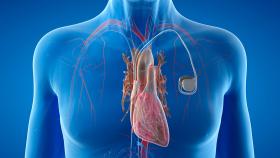
0869_SHVGR_Updates on Cardiac Implantable Electronic Devices (CIED)_Live
Description:
This virtual grand rounds session addresses critical practice gaps in the selection and management of cardiac implantable electronic devices (CIEDs). The program focuses on two key areas: expanding clinician awareness of newer pacing modes and device types beyond traditional options, and maximizing the use of built-in heart failure diagnostic features available in modern CIEDs. Through expert-led discussion and case-based learning, participants will gain practical knowledge to optimize device selection and leverage remote monitoring capabilities for proactive patient management between clinic visits.
Assembly Bills 1195 & 241- Culturally Appropriate Care which is Free of Implicit Biases:
Learners are strongly encouraged to engage in self-directed learning related to the impact of implicit biases in this clinical area via the references provided below:
Mantoo, M. R., Agstam, S., Bashir, R., Karki, P., & Gawalkar, A. A. Racial and Ethnic Disparities in Cardiovascular Disease: Impact of Social Determinants of Health and Regional Variations. - LINK TO ARTICLE
Mutebi, C., Bolakale-Rufai, I. K., Cajigas, H. M., Quintero, L. D., Tanoh, D. B., Benzuly, K., ... & Youmans, Q. R. (2025). Equity at the Intersection of Heart Failure and Interventions: A Review of the Spectrum From Ambulatory Care to Cardiogenic Shock. Journal of the Society for Cardiovascular Angiography & Interventions, 104053. - LINK TO ARTICLE
Mastoris, I., DeFilippis, E. M., Martyn, T., Morris, A. A., Van Spall, H. G., & Sauer, A. J. (2023). Remote patient monitoring for patients with heart failure: sex-and race-based disparities and opportunities. Cardiac failure review, 9, e02. - LINK TO ARTICLE
Target Audience
Nurse Practitioner (NP)
Nurse, Registered (RN)
Pharmacists (PharmD)
Physicians (MD or DO)
Physician Assistant (PA)
Psychologists
Social Workers
Other Healthcare Professionals
Physical Therapist
Learning Objectives
After completing this course, learners will be able to:
1.) Express new physiologic pacing for standard pacemaker indications
2.) Instruct on the role of leadless pacing vs. traditional pacing
3.) Determine the pros and cons of subcutaneous ICD vs. transvenous ICD
4.) Describe heart failure diagnostics in CIEDs
Course summary
- 1.00 ACPE
Pharmacy Credit - Accreditation Council of Pharmacy Education (ACPE)
Sutter Health designates this Live activity for a maximum of 1.00 of ACPE credit(s). Credits for pharmacists and technicians will be transmitted to CPE Monitor and will be available within 60 days post-activity pending submission of individual NABP e-PID and DOB (mm/dd only). Pharmacists should claim only the credit commensurate with the extent of their participation in the activity.
- 1.00 AMA PRA Category 1 Credit™
Physician Credit
Sutter Health designates this Live activity for a maximum of 1.00 AMA PRA Category 1 Credit™ for physicians. Physicians should claim only the credit commensurate with the extent of their participation in the activity.
- 1.00 Non-Physician Participation Credit
Sutter Health designates this Live activity for a maximum of 1.00 Non-Physician Participation Credit. Non-Physicians should claim only the credit commensurate with the extent of their participation in the activity.
AMA PRA Category 1 Credits HOURS™ Continuing Medical Education is acceptable for meeting the continuing education requirements for Pharmacists, Physician Assistants, Psychologists, Registered Nurses, and Respiratory Care Practitioners. For other disciplines, please check with the regulatory board for your discipline to confirm what type of credits meet the continuing education requirements. Continuing education hours for nurses accredited by ANCC, via Joint Accreditation.
- 1.00 ANCC
Nursing Credit - American Nurses Credentialing Center (ANCC)
Sutter Health designates this Live activity for a maximum of 1.00 ANCC contact hour(s). Nurses should claim only the credit commensurate with the extent of their participation in the activity.
- 1.00 ASWB-ACE
Social Work Credit
As a Jointly Accredited Organization, Sutter Health is approved to offer social work continuing education by the Association of Social Work Boards (ASWB) Approved Continuing Education (ACE) program. Organizations, not individual courses, are approved under this program. Regulatory boards are the final authority on courses accepted for continuing education credit. Social workers completing this course receive 1.00 continuing education credits.
- 1.00 CA BRN
Nursing Credit - California Board of Registered Nursing (CA BRN)
This activity is approved for 1.00 contact hour(s) by Sutter Health, which is an approved provider by the California Board of Registered Nursing. (Provider Number 17182). Nurses should claim only the credit commensurate with the extent of their participation in the activity. - 1.00 IPCE
This activity was planned by and for the healthcare team, and learners will receive 1.00 Interprofessional Continuing Education (IPCE) credit for learning and change.
- 1.00 PTBC
Physical Therapy Board of California
Sutter Health designates this Live activity for a maximum of 1.00 PTBC credit(s). Physical therapists should claim only the credit commensurate with the extent of their participation in the activity.
Steven Kang, M.D., faculty for this presentation, disclosed a consulting relationship with Boston Scientific. This relevant financial relationship was mitigated through independent peer review by Michael Pham, M.D., who has no relevant financial relationships with ineligible companies.
No one else involved in the planning or presentation of this educational activity have any relevant financial relationship(s) to disclose with ineligible companies whose primary business is producing, marketing, selling, re-selling, or distributing healthcare products used by or on patients. No financial or in-kind commercial support was received to produce or promote this educational activity.
– Provider Designee/Verification: Fozia Ferozali, Ed.D
Michael Pham, MD, University of California, San Francisco (1993-1998), MPH, Harvard School of Public Health (1996-1998)
Steven Kang, MD

In support of improving patient care, Sutter Health is jointly accredited by the Accreditation Council for Continuing Medical Education (ACCME), the Accreditation Council for Pharmacy Education (ACPE), and the American Nurses Credentialing Center (ANCC), to provide continuing education for the healthcare team.
Credit Designation Statement
Sutter Health designates this LIVE activity for a maximum of 1.00 AMA PRA Category 1 Credits™ for physicians, 1.00 continuing professional development contact hours for nurses, 1.00 knowledge-based contact hours for pharmacists, 1.00 continuing competency hours for physical therapists, and 1.00 approved continuing education hours for social workers. Learners should claim only the credit commensurate with the extent of their participation in the activity.
Note to Other Disciplines: Non-Physician Participation Credit (AKA - AMA PRA Category 1 Credits HOURS™) Continuing Medical Education is acceptable for meeting the continuing education requirements for Pharmacists, Physician Assistants, Psychologists, Registered Nurses, and Respiratory Care Practitioners. For other disciplines, please check with the regulatory board for your discipline to confirm what type of credits meet the continuing education requirements. Continuing education hours for nurses accredited by ANCC, via Joint Accreditation.
Attendance & Credit Claiming
Text the 6-letter attendance verification code to (916) 866-7913 to claim credit.
Available Credit
- 1.00 ACPE
Pharmacy Credit - Accreditation Council of Pharmacy Education (ACPE)
Sutter Health designates this Live activity for a maximum of 1.00 of ACPE credit(s). Credits for pharmacists and technicians will be transmitted to CPE Monitor and will be available within 60 days post-activity pending submission of individual NABP e-PID and DOB (mm/dd only). Pharmacists should claim only the credit commensurate with the extent of their participation in the activity.
- 1.00 AMA PRA Category 1 Credit™
Physician Credit
Sutter Health designates this Live activity for a maximum of 1.00 AMA PRA Category 1 Credit™ for physicians. Physicians should claim only the credit commensurate with the extent of their participation in the activity.
- 1.00 Non-Physician Participation Credit
Sutter Health designates this Live activity for a maximum of 1.00 Non-Physician Participation Credit. Non-Physicians should claim only the credit commensurate with the extent of their participation in the activity.
AMA PRA Category 1 Credits HOURS™ Continuing Medical Education is acceptable for meeting the continuing education requirements for Pharmacists, Physician Assistants, Psychologists, Registered Nurses, and Respiratory Care Practitioners. For other disciplines, please check with the regulatory board for your discipline to confirm what type of credits meet the continuing education requirements. Continuing education hours for nurses accredited by ANCC, via Joint Accreditation.
- 1.00 ANCC
Nursing Credit - American Nurses Credentialing Center (ANCC)
Sutter Health designates this Live activity for a maximum of 1.00 ANCC contact hour(s). Nurses should claim only the credit commensurate with the extent of their participation in the activity.
- 1.00 ASWB-ACE
Social Work Credit
As a Jointly Accredited Organization, Sutter Health is approved to offer social work continuing education by the Association of Social Work Boards (ASWB) Approved Continuing Education (ACE) program. Organizations, not individual courses, are approved under this program. Regulatory boards are the final authority on courses accepted for continuing education credit. Social workers completing this course receive 1.00 continuing education credits.
- 1.00 CA BRN
Nursing Credit - California Board of Registered Nursing (CA BRN)
This activity is approved for 1.00 contact hour(s) by Sutter Health, which is an approved provider by the California Board of Registered Nursing. (Provider Number 17182). Nurses should claim only the credit commensurate with the extent of their participation in the activity. - 1.00 IPCE
This activity was planned by and for the healthcare team, and learners will receive 1.00 Interprofessional Continuing Education (IPCE) credit for learning and change.
- 1.00 PTBC
Physical Therapy Board of California
Sutter Health designates this Live activity for a maximum of 1.00 PTBC credit(s). Physical therapists should claim only the credit commensurate with the extent of their participation in the activity.